
Annual Session Courses
Book your LODGING NOW before the room block expires! Must call or use links to access pricing and availability.
Thursday Courses
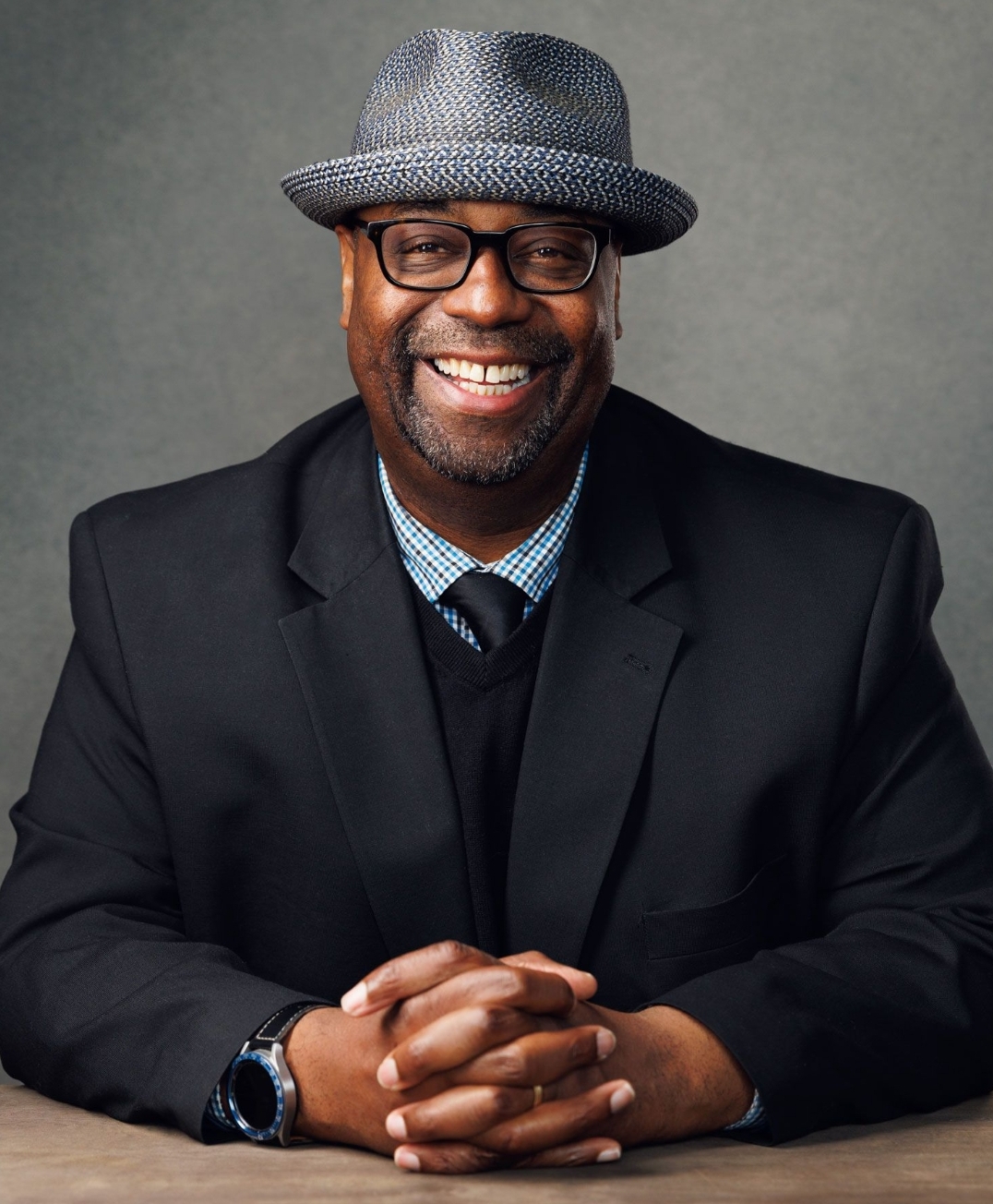
Keynote Speaker, Judge Derek Mosley: Unconscious Bias- Knowing What You Don’t Know 1.5 CE 8:00AM-9:30AM
- Audience: All Dental Professionals
- Location: Room 420, Boise Centre East
- by Judge Derek Mosley
Unconscious Bias is a learned stereotype that is automatic, unintentional, deeply ingrained, universal, and able to influence behavior. Unconscious bias seeps into decisions that affect recruitment, retention, hiring, access to healthcare, banking, housing, education, the justice system, providing services, interpersonal interactions, and outcomes in ways that can disadvantage both individuals and groups of people. We all have some form of unconscious bias, and the key is to recognize that we have it and employ techniques to mitigate it.
In this session you will:
Learn to assess and measure your unconscious bias
Be able to define unconscious bias
Learn the history of unconscious bias in America
Learn how subconsciously, decisions are being made in your mind
Learn how unconscious bias affects everyday life
Finally, learn ways to mitigate your bias
Closing the Gaps: Treating Diastemas, Black Triangles, and Peg Laterals 3 CE 9:45AM-12:15PM
- Audience: Dentists
- Location: Room 420, Boise Centre East
- by Dr. David Clark, Director of Bioclear Learning Centers International
Achieving seamless aesthetics in the anterior region is essential for patient satisfaction and clinical success. This lecture will explore advanced techniques for closing gaps, including diastemas, black triangles, and peg laterals, using a direct restorative method. Participants will learn how to use anatomic tooth forms, optimize heated composite handling, and how to achieve natural contours that blend flawlessly with existing dentition.
Real-world case examples will demonstrate step-by-step approaches, helping
clinicians deliver predictable and beautiful monolithic injection molded
composite dentistry.
- Learn: To injection mold to treat black triangles, peg laterals, fractured teeth, and diastemas
- Learn: To achieve ultra glossy stain proof anterior restorations
- Learn: To safely heat composite and why
- Learn: Why injection molded composite is superior to traditional hand-spackled composite

I Screen, You Screen, We All Screen: No one has ever done that before! 3 CE 9:45AM-12:45PM
- Audience: All Dental Professionals
- Location: 410C, Boise Centre East
- by Susan Cotten, BS, RDH, OMT
Join oral cancer coach Susan Cotten, BS, RDH, OMT, developer of The Cotten Method™ of Screening, for this intensive program designed to elevate and calibrate dentistry’s oral cancer screening.
This course will unpack the etiologies of oral and oropharyngeal cancer, the additional risk factors for oral cancer – risk is more than tobacco and alcohol, review the components of a comprehensive oral cancer screening, including the often overlooked signs and symptoms associated with oral and oropharyngeal cancer. Current ADA and ADHA oral cancer policies, coding for oral cancer screening, and comprehensive documentation will be discussed.
Both dental hygienists and dentists play a critical role in early detection. This course is a call to action: to elevate the standard of care in screening, reduce the risk of liability for the dental professional, and increase early detection. All attendees will receive a Cotten MethodTM of Screening ‘Risk Assessment’ form. A comprehensive screening isn’t optional, it’s critical. Let’s close the gap together!
Objectives:
Name the additional risk factors for oral cancer, beyond tobacco and alcohol.
Summarize areas of liability for the dental professional in oral cancer.
List the components of a comprehensive visual and tactile, extraoral, intraoral evaluation.
Explain the signs and symptoms associated with oral and oropharyngeal cancer.
Prescription Drug Diversion: What is it, and what can we do about it? 1.5 CE 9:45AM-11:15AM
- Audience: All Dental Professionals
- Location: Room 410 B, Boise Centre East
- by Dr. Shawn Naccarato
Objectives:
- to provide basic information about what prescription drug diversion is and the types of prescriptions that are commonly diverted
- to provide information regarding the various ways prescription drugs are diverted, the reasons prescription drugs are diverted, the types of individuals who divert prescriptions, and common behavioral presentations of drug diverters
- to provide information about the relationship of certain types of prescription drugs and certain types of illegal drugs
The 101 of Basic Nutrition and Oral-Wellbeing 1.5 CE 10:00AM-11:30AM
- Audience: All Dental Professionals
- Location: Room 430, Boise Centre East
- by Lani McBeth, BS, RDH, EFDA
Learning Objectives:
- Explain the role of sugar in inflammation.
- Discuss the primary function of vitamins A, C, and D in oral health.
- Recall the formula for water intake to prevent dehydration.
Course Description
Join Dental Hygienist and Certified Integrative Nutrition Coach Lani McBeth as she discusses three nutritional elements' primary role in oral and systemic health. Nutrition is the science behind how the body utilizes food to meet the requirements for growth and development, repair, and maintenance. This course will review the basics of food, focusing on sugar, nutrients A, C, and D, and water and their relationship to oral well-being. With three actionable steps, the dental professional can use to help patients recognize the role of good nutrition in disease prevention and healing. As important as educating our patients on oral hygiene, the discussion of nutrition is vital in preventing chronic disease and promoting health.
Healthy Gear, Productive Practice by Burkhart Dental Supply 1 CE 10:00AM-11:15AM & 1:45PM-3:00PM
- Audience: All Dental Professionals
- Location: Room 410 A, Boise Centre East
- by Shon Davis, Field Service Specialist, Burkhart Dental Supply
Burkhart Dental presents a one hour presentation on the required maintenance in the operatory, sterilization and mechanical room. Also, hand-piece maintenance will be discussed.
Help keep your equipment running smooth and lasting for a long time. Hand-outs will be available to take back to the office.
Practice Financing: You Need a Loan, Now What? 1 CE 10:00AM-11:00AM
- Audience: Dentists|Spouses|Finance or Practice Managers
- Location: Room 440, Boise Centre East
- by Shaun Kelley, Sr. Business Banking Relationship Manager, Key Bank
- by Rob Leonard, Sr. SBA Relationship Manager, KeyBank
- by Ramez Halteh, Key Private Bank Market Leader, KeyBank
Course Summary:
- This in-depth discussion on practice financing will provide guidance and funding solutions tailored to the dental industry. We’ll identify the best path for conventional and SBA financing, and when to use them. We’ll also discuss our unique lending channel for a partner buy-in through Key Private Bank. This course will cover everything from equipment and real estate purchases to practice acquisitions and partner buy-in/out financing options.
Cybersecurity, Back-Up, & HIPAA Compliance 1 CE 11:30AM-12:00PM
- Audience: All Dental Professionals
- Location: Room 410 A, Boise Centre East
- by Josh Pass, Geekpoint IT & Mike Darrow, IDIA
Objectives:
- Why dental offices are prime targets
- HIPAA — what it actually requires
- Real threats: phishing, ransomware, insider
- Backups — the 3-2-1 rule & tested restores
- 6 practical steps they can take now
- If you get breached — what to do
Managing Fluoride Hesitancy in Your Clinic and Community 2 CE 1:30PM-3:30PM
- Audience: All Dental Professionals
- Location: Room 410 B, Boise Centre East
- by Dr. Donald Chi
Description
Fluoride is one of the few evidence-based therapies known to prevent tooth decay. However, recent data indicate that a growing number of parents and communities are hesitant about fluoride, with substantive numbers of parents who refuse it during dental visits. In this program, Dr. Chi will outline the history of fluoride hesitancy, discuss recent epidemiological data on prevalence, describe the reasons why parents are hesitant about fluoride, and provide tips on how to manage hesitancy in clinical practice.
Objectives
1) Quantify how common fluoride hesitancy is in practice.
2) Describe reasons why parents are hesitant about fluoride.
3) Outline clinical strategies to address fluoride hesitancy.
a4c2bfca-3272-4720-9bdd-262f299b369c.jpg?sfvrsn=8125fb01_1)
Dental Practice Ownership: A Strategic Framework 1 CE 1:30PM-3:00PM
- Audience: Dentists
- Location: Room 440, Boise Centre East
- by Dr. Jared Franson
Course Summary:
This fast-paced course provides a practical framework for evaluating dental practice
ownership opportunities. Rather than focusing only on completing a transaction, the
session emphasizes readiness, risk recognition, valuation basics, financing awareness,
and transition planning. Participants will leave with a clearer understanding of how to
identify the right opportunity, avoid common mistakes, and make more sustainable
ownership decisions.
Key Topics Covered:
- Ownership readiness
- Practice fit
- Red flags
- Valuation basics and EBITDA
- Deal mechanics
- Financing considerations
- Staff transition
- Post-closing stability
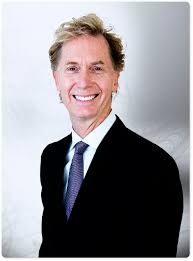
Crush Your Next Class II Restoration 3 CE 1:45PM-4:15PM
- Audience: Dentists
- Location: Room 420, Boise Centre East
- by Dr. David Clark
Crush Your Next Class II Restoration Class II; Composite restorations may not always steal the spotlight in dentistry, but they are the bread and butter of a dental practice. Until now, composite went “in” the tooth. Now we can go “around” the tooth. Learn to master rock solid contacts, appropriate shapes and contours to make your patients and yourself happy.
Case-based examples and evidence-based insights will guide attendees in refining their approach to monolithic injection molded composite dentistry.
- Learn: How injection molding is better, faster, and stronger then layering
- Learn: How to determine if injection molding or crowns are appropriate restorations
- Learn: How clear matrices are a game changer
- Learn: Why to use heated composite
- Learn: Why selective caries removal is the new standard of care
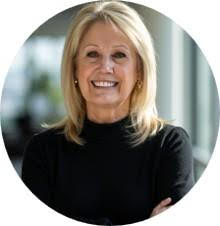
Dental Insurance: Charting Your Course for Success 1.5 CE 1:30PM-2:45PM
- Audience: All Dental Professionals
- Location: Room 430, Boise Centre East
- by Teresa Jardine, Dental Cooperative, ID & WA Area Director
Objectives:
- Identify key insurance industry trends projected for 2026
- Evaluate common risk factors that place dental practices at financial or contractual disadvantage
- Analyze payor policies, participation agreements, and reimbursement models
- Implement practical strategies to improve insurance utilization, fee management, and collections
- Develop an action plan to proactively position their practice for success

Beyond Oral Cancer: Yes, There is More 2 CE 2:00PM-4:00PM
- Audience: All Dental Professionals
- Location: Room 410 C, Boise Centre East
- by Susan Cotten, BSDH, RDH, OMT
As dental professionals, we learn and talk most about oral cancer. Now, the HPV-associated oropharyngeal cancer epidemic is a critical topic to discuss. Dental professionals are whole-body prevention specialists, and this includes going beyond oral cancer to screen for signs and symptoms related to other cancers and conditions of the head and neck. Susan understands this first-hand, as she was diagnosed with a common head and neck condition - Laryngopharyngeal Reflux, which is a risk factor for laryngeal cancer.
Join oral cancer coach Susan Cotten, BSDH, RDH, OMT, to explore other cancers and conditions of the head and neck, who may be at risk, and the important role dental professionals have in screening to identify potential signs and symptoms that deserve a referral and further investigation by the appropriate specialist.
Attendees will leave inspired and equipped with strategies and verbiage to implement this knowledge into their comprehensive screening, risk assessment, and office protocol. Together We Will Save Lives!
Objectives:
List head and neck cancers beyond oral and oropharyngeal cancer.
Recognize exposure to toxins and carcinogens first responders and victims of wildfires and urban wildfires may experience.
Name the signs and symptoms associated with head and neck cancers and conditions.
Demonstrate proper extroral palpation and explain lymphadenopathy.
Develop a plan to implement a comprehensive risk assessment and screening form as a standard protocol in patient care

Claim Documentation Best Practices for Dental Offices; and Website Powerpoint 1 CE 3:00PM - 4:00PM
- Audience: All Dental Professionals
- Location: 430, Boise Centre East
- by Teresa Damerell and Cierra Arbaugh, Delta Dental of Idaho
Course Objectives for Claim Documentation:
* Review documentation requirements for periodontal, endodontic, restorative, crowns, and extractions
* Identify common documentation gaps that lead to claim delays or 930 denials
* Understand how complete, procedure-specific documentation reduces rework and improves turnaround time
* Recognize when additional documentation or predeterminations can help prevent issues before treatment
Course Objectives for Website Powerpoint:
- Understand website navigation: Differentiate between Delta Dental platforms and identify which site to use for specific tasks like eligibility checks, ERAs, and provider resources.
- Improve efficiency using digital tools: Utilize the Benefits & Eligibility lookup tool to access information quickly and reduce reliance on phone support.
This presentation provides dental offices with an overview of Delta Dental website platforms and tools, emphasizing how to efficiently access benefits, eligibility, and provider resources. It highlights when to use each website, promotes a no-login benefits lookup tool to reduce phone calls, and encourages provider feedback to improve digital resources.
Friday Courses
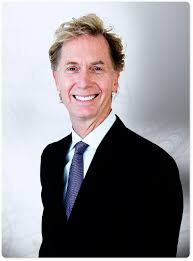
The Great Tooth Killer: Cracked Teeth Prevention, Diagnosis, and Treatment 3 CE 8:00AM-11:00AM
- Audience: All Dental Professionals
- Location: Room 420, Boise Centre East
- by Dr. David Clark, Bioclear Matrix
Currently the diagnosis and treatment of cracked and fractured teeth is largely symptom based and is therefore often a sad, end stage diagnosis. The fracturing process is one of dentistry’s last great mysteries and is poorly
understood throughout the generalist and specialist dental community. In this engaging and entertaining lecture, you will learn to understand and diagnose pathologic cracks utilizing magnification and other modalities, and treat long before symptoms arise or the tooth becomes unsalvageable.
Objectives:
- Learn: Learn to have confidence identifying early tooth fracturing
- Learn: Learn why new Class II cavity preparations and other modalities are crucial to prevent eventual tooth fracture
- Learn: Receive a blueprint for diagnosis and treatment of complete and incomplete fractures
- Learn: Understand the Fissurotomy, Calla Lily, and Overlay preparations for Class I and Class II restorations
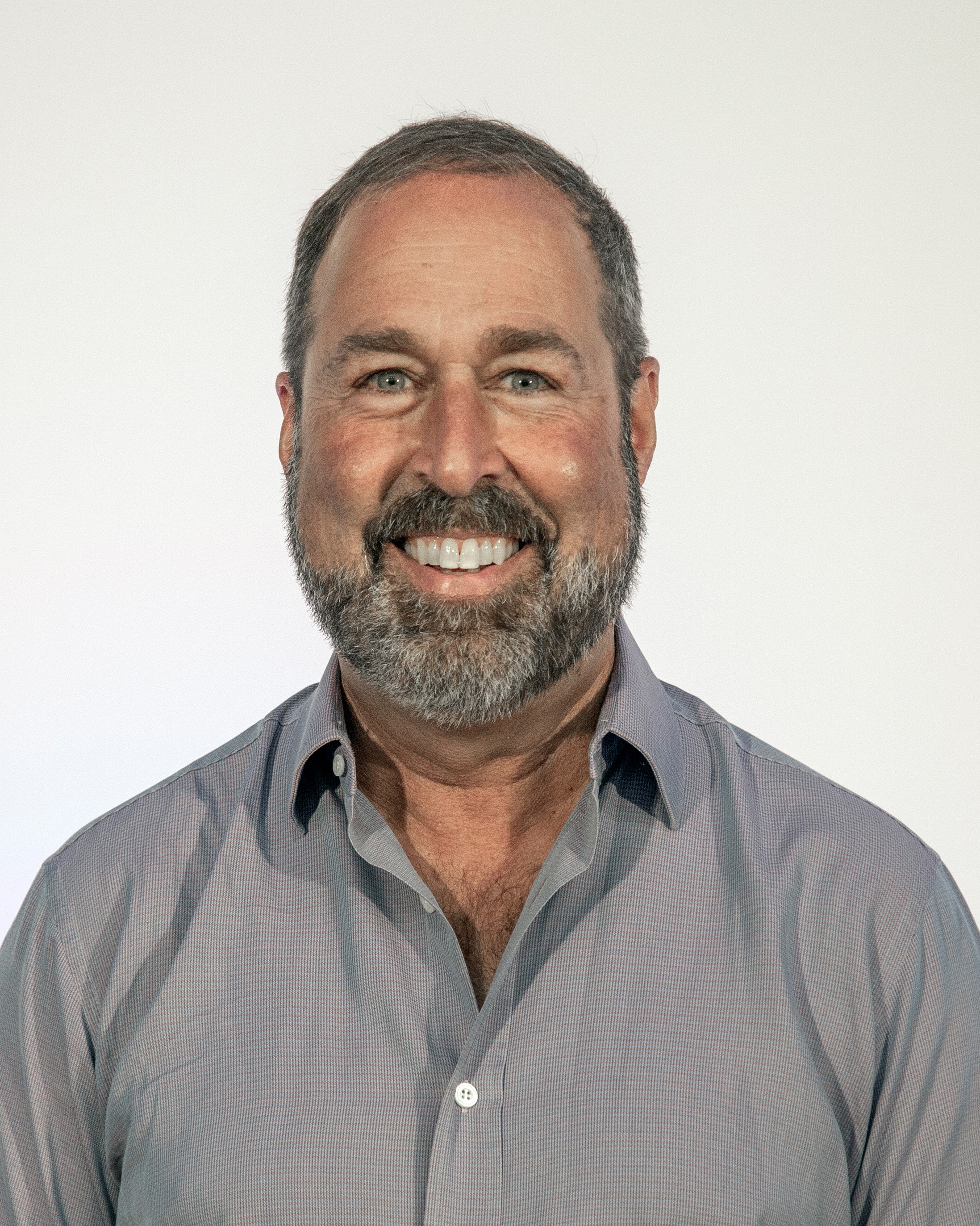
THE ABC's OF CBCT: ACADEMIC ANSWERS, BEST PRACTICES and COMPELLING CASES 3 CE 8:00AM-11:00AM
- Audience: Dentists
- Location: 410 B, Boise Centre East
- by John Khademi, DDS, MS
The image-generating process and logistics for reviewing CBCT studies are radically different from that of projection radiography, along with being counter-intuitive, and not widely appreciated in dentistry. The sheer number of possible views with CBCT coupled with the interpretive issues confound both CBCT and projection radiography which has led to guidelines and position papers for prescribing and interpreting imaging studies. These guidelines claim to be scientifically-based, but are not based on what has been learned about the interpretive process in medical radiology. Medical radiology has a long and deep history of academic inquiry into perception metrology and the radiographic interpretive process. This presentation will review key research findings, introduce guidelines and best practices for interpreting CBCT based on what has been learned about the perceptual and cognitive processes from medical radiology. We will develop these protocols using real clinical cases from the presenter’s practice.
Learning Objectives:
· Understand and optimize your image-exposure parameters (technique factors)
· Get an introduction to the image-generation process for CBCT
· Have an explicit strategy for efficiently reviewing focused-field, single-arch, ½ arch and dual-arch studies
· Gain a window into the subtle perceptual and cognitive issues with image interpretation
· Understand the role of explicit, tacit and embedded history in the interpretive process

Hands-On Workshop Oral Cancer Screening: “It’s More Than Grasping the Tongue” 3 CE 8:00AM-11:00AM
- Audience: Hands-On Workshop Pre-registered $40
- Location: 410 C, Boise Centre East
- by Susan Cotten, BSDH, RDH, OMT
Course Description:
Early detection saves lives, and a comprehensive oral cancer screening is critical to optimal patient care. Yet many dental professionals feel uncertain of their clinical skills when it comes to performing a comprehensive oral cancer screening. This hands-on workshop is designed to change that and to aid in decreasing liability for the dental professional.
Using Susan’s instructional screening videos, case discussions, and step-by-step demonstrations, you’ll learn proper palpation techniques, assessment of the thyroid and oropharynx, tonsil grade and Mallampati score documentation, and learn the signs and symptoms associated with oral and oropharyngeal cancer.
Attendees will don masks and gloves and partner up to practice a full screening in a supportive, encouraging environment. Susan will coach you through the process, offering real-time feedback to strengthen your skills. You will leave with the confidence to implement what you’ve learned immediately, and attendees will receive The Cotten Method™ screening packet to support you in practice. Let’s close the gap between education and implementation—one confident screening at a time.
Objectives:
Demonstrate a comprehensive visual and tactile, extraoral, intraoral, evaluation/oral cancer screening.
Execute locating the thyroid gland and palpate each lobe.
Demonstrate proper extraoral palpation technique.
Identify and document Tonsil grade and Mallampati score.
Recognize signs and symptoms associated with oral and oropharyngeal cancer.
Nano-Hydroxyapatite Unmasked: Debunking Myths & Harnessing the Science for Improved Oral Health 1 CE 8:00AM-9:00AM
- Audience: All Dental Professionals
- Location: Room 410 A, Boise Centre East
- by Dr. Jennifer Eisenhuth & Peter Eisenhuth
COURSE SUMMARY: Explore the history of Nano Hydroxyapatite (nHAp) development from NASA's pioneering work in the 1970's to its diverse applications in the medical and dental fields over the past four decades. Delve into a comprehensive review of clinical studies validating nHAp as a gain valuable insights into additional research supporting nHAp's ability to effectively manage hypersensitivity and discover the enhanced remineralization potential achieved when nHAp is combined with fluoride in toothpaste formulations. Don't miss the opportunity to stay at the forefront of dental innovation and elevate your clinical practice.
OBJECTIVES:
- Describe the science behind nHAp and applications in preventive oral care products.
- Review 3rd party non-funded clinical studies supporting nHAp as a clinically proven enamel remineralizing ingredient.
- Compare and contrast concentrations and particle sizes of nHAp toothpaste brands for their ethicality, and occurrence of enamel remineralization.
- Recognize fluoride free (oral care) products are not FDA regulated.
- Effectively communicate to patients the science behind nHAP as a clinically proven remineralizing ingredient when choosing oral care products
Idaho State Orthodontic Society Meeting Beyond Alignment - 3 CE 8:30AM-12:00PM
- Audience: Orthodontists
- Location: Room 440, Boise Centre East
- by Dr. David Lopes, Field Clinical Director, North America, Align Technology, Inc.
Beyond Alignment: Contemporary Comprehensive Dentistry & amp; Collaborative Orthodontics Expand Your Thinking. Elevate Your Outcomes.
Course Description:
Imagine truly effective and efficient collaborative orthodontics. In this dynamic, clinically driven session, explore how contemporary comprehensive dentistry is redefining and facilitating the orthodontist’s role within a fully integrated, digital healthcare model. Discover how early intervention strategies—including the Invisalign Palatal Expander (IPE)—fit into a broader vision of helping younger patients reduce long-term dental and airway risks. Many patients also benefit from orthodontics seamlessly synergizing with restorative, periodontal, and surgical treatments to deliver complete, lasting outcomes. See how this evolved, digitally-fueled approach to comprehensive dentistry and patient experience elevates our practice models, profitability, and brand reputation within our communities.
Today’s digital innovations are greatly reducing the challenges that once limited such co-treatment. With enhanced visualization, communication, and planning tools, interdisciplinary collaboration is now more efficient, predictable, and impactful than ever before.
Optional case review (pre-submitted) for real-world application.
Learning Objectives:
- Integrate early intervention within a comprehensive, risk-reduction framework
- Collaborate more effectively with GP, restorative, perio, and surgical partners
- Leverage digital tools to simplify co-diagnosis, planning, and execution
- Reduce friction in interdisciplinary care through clarity, visualization, and shared workflows
- Deliver complete patient outcomes that elevate both function and long-term health
Lasers For The WIN!
What Lasers Can Do For You:
Soft Tissue, Airway and More 2 CE 8:45AM-10:30AM
- Audience: Dentists & Hygienists
- Location: Room 430, Boise Centre East
- by Dr. Mike Smith, Biting Education PLC
The implementation of laser technology in dentistry has advanced greatly in the last few years. Application of lasers for a variety of therapies is improving our overall results in a faster more conservative manner. The improvements and delivery of many of our wavelengths has taken us into new modes of treatment for establishing a greater health. From soft tissue, to resolving pain and even improving the airway, many of our newer generations of lasers are allowing us to achieve exponentially improved results.
We will also talk about newer efficient modalities in managing soft tissue therapies along with airway/snoring treatment with DEKA CO2 fractional ablative QuietNite treatment.
Don’t be left in the dark, let the light show you the way, lasers for the win.
Objectives:
- What CO2 lasers can do for you
- Optimize soft tissue surgeries with CO2 laser techniques
- Fractional Ablation, QuietNite treatment:
Decrease snoring and airway restriction with Fractional Ablation using the DEKA QuietNite CO2 laser therapy.
Systematic treatment approach for efficient and effective therapies.
Reduction of nasal/pharyngeal pressure can improve airflow following fractional ablation. Learn how to measure and quantify your therapy success.
Oral Systemic Health: Longevity Lever, Dental Innovation for the Ecosystem, MSK Power 2 CE 9:30AM-11:00AM
- Audience: All Dental Professionals
- Location: Room 410 A, Boise Centre East
- by Sheree L. DiBiase, PT, PRPC, ICLM, DN
Objectives
1) Oral Health- Collaboration vs Siloed care
2) Microbiome, Chronic Inflammation, Symptoms, Signals
3) Sleep-link to Longevity- oral to pelvic floor
4) Oral-Pelvic Health Loop
5) Women in the Dental Chair: Prenatal/ Postpartum/ Perimenopause/ Menopause
6) Men’s Health Risks and Oral Symptoms
7) Innovation and Development for Dental Health
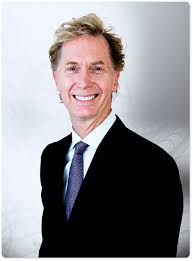
Hands-On Workshop: Better, Faster, Prettier Composite Dentistry - 3 CE 1:45PM-4:15PM
- Audience: Hands-On Workshop Pre-registered $100
- Location: Room 410 C, Boise Centre East
- by Dr. David Clark, Bioclear
Experience a fresh approach to modern composite dentistry with Dr. Clark. Say goodbye to traditional techniques like
layering, condensing, and burnishing. Join us to master injection molding, achieving precise margins, smooth
contours, and flawless, mirror-like restorations in both black triangle and Class II scenarios.
- Learn: The 6 steps to achieve rock solid posterior contacts in even the most difficult cases
- Learn: How can you combine flowable & regular composites with the injection molding technique & when to use bulk fills
- Learn: Treating the dreaded black triangle, especially common after tray aligner therapy
- Learn: How to handle heated composites
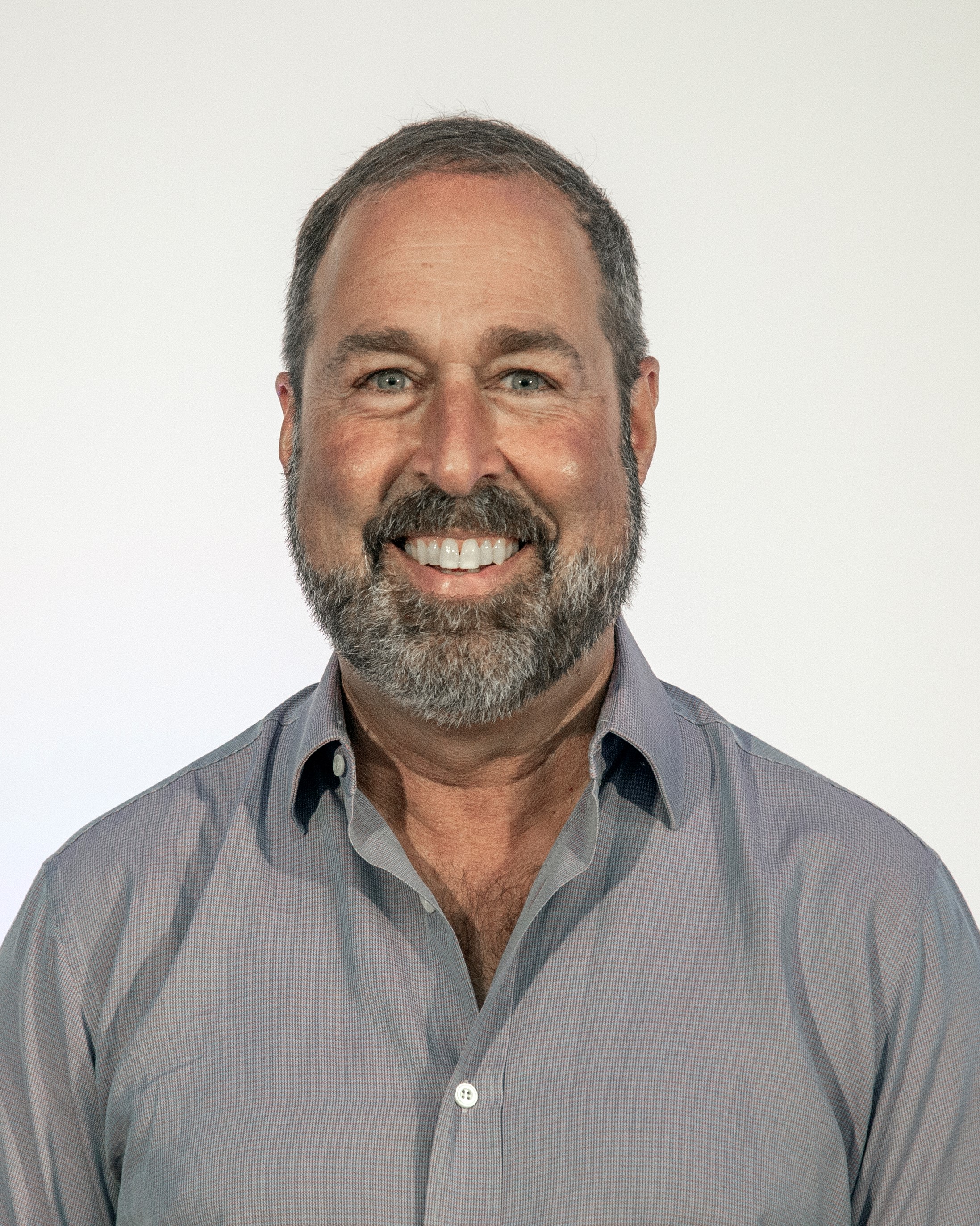
The Past, Present & Future of Endodontics: Endodontics 1.0, 2.0, 3.0 & Beyond 3 CE 1:45PM-4:00PM
- Audience: All Dental Professionals
- Location: Room 420, Boise Centre East
- by John Khademi, DDS, MS
Past decades have highlighted the importance of preserving & retaining as much tooth structure as possible for long-term outcomes. Combining magnification, cone-beam CT, modern heat-treated NiTi instrumentation and advanced irrigation technologies allows ultra-conservative access and instrumentation. These advancements are facilitating a shift in endodontic treatment by maximizing traditional objectives of endodontic treatment of debridement and disinfection while minimizing the endodontic treatment footprint on the loss of precious pericervical dentin.
We will review the legacy endodontic triad-based/clean-shape-pack conventional instrumentation Endodontics 1.0 (CIE) paradigm, introduce materials, instruments and techniques for minimally-invasive Endodontics 2.0 (MIE), culminating in non-instrumentation Endodontics 3.0 (NIE). This presentation will introduce materials, instruments and techniques that will meet the clinician where they are, and help the clinician begin to make the transition to the next level of endodontic excellence.
Learning Objectives:
- Review the three endodontic paradigms: Endodontics 1.0, 2.0 and 3.0
- Introduce strategies for minimally-invasive endodontics in the general dental practice
- Understand the new role of endodontic files in non-instrumentation endodontics (NIE)
- Introduce the the concepts of Cleaning-in-Place (CIP) and advanced irrigation
- Introduce the Mechanism of Action (MoA) of Gentlewave
Healthy Gear, Productive Practice presented by Burkhart Dental Supply - 1 CE 11:15AM-12:15PM and 1:45PM-2:45PM
- Audience: All Dental Professionals
- Location: Room 410 A, Boise Centre East
- by Shon Davis, Burkhart, Field Service Specialist
Burkhart Dental presents a one hour presentation on the required maintenance in the operatory, sterilization and mechanical room. Help keep your equipment running smooth and lasting for a long time.
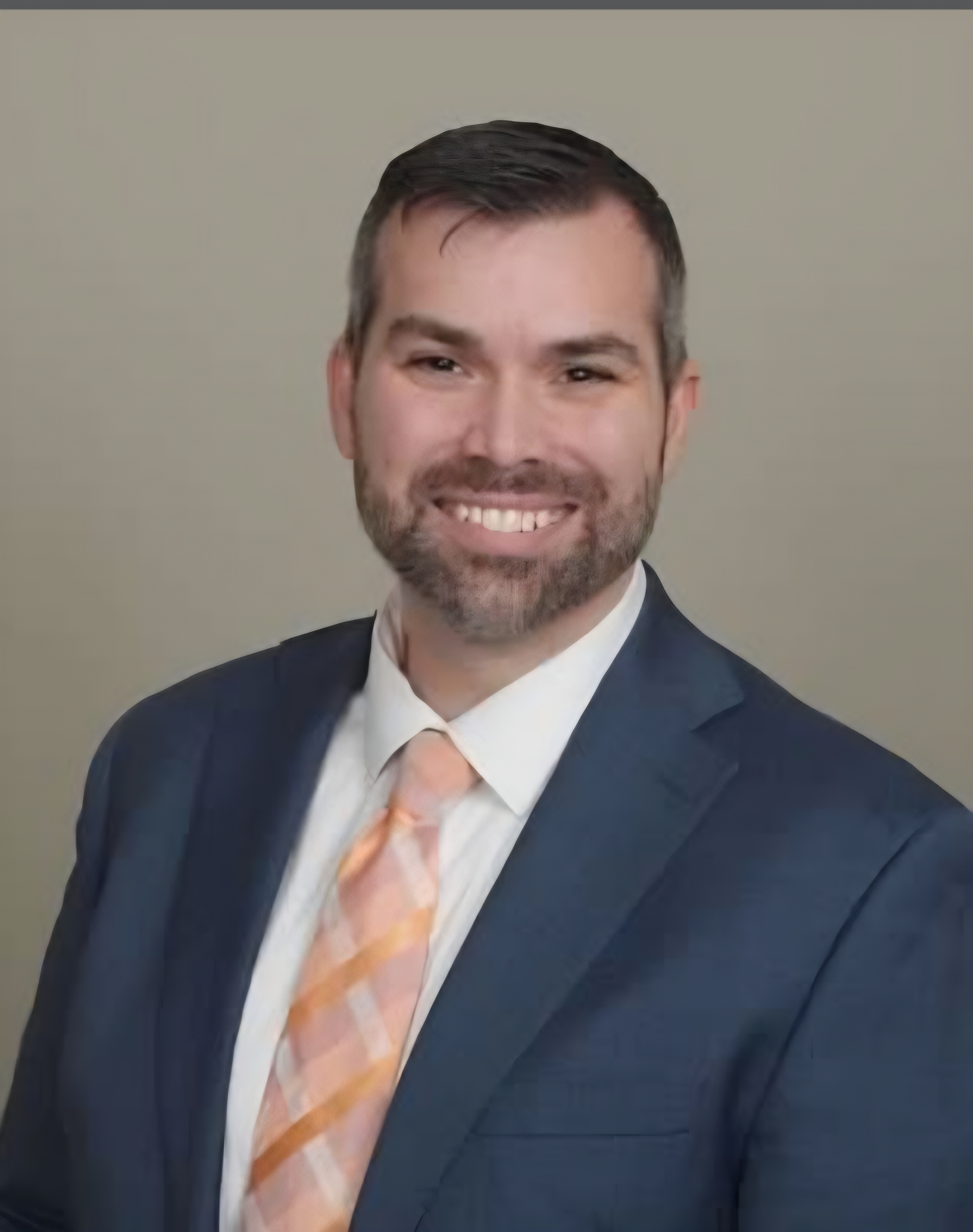
In-Office Sedation & Anesthesia: A Step-by-Step Guide to Implementation 1 CE 1:30PM-2:30PM
- Audience: All Dental Professionals
- Location: Room 440, Boise Centre East
- by Steven Miles, DDS, MBA
Objectives:
1. Identify the patient populations whose care depends on in-office sedation — and the documented gap between demand and availability in general practice.
2. Map Idaho's sedation permit framework under IDAPA 24.31.01, including rule .048's pathway for using qualified outside anesthesia personnel.
3. Apply evidence-based protocols for safe in-office moderate sedation: patient selection, drugs, monitoring options, and emergency response.
4. Build a step-by-step roadmap for adding sedation services to the practice — staff training, equipment, and partnership with a qualified outside provider.
The Tongue is Talking: What Systemic Secrets is it Revealing? 2 CE 1:45PM-3:45PM
- Audience: All Dental Professionals
- Location: Room 410 B, Boise Centre East
- by Lani McBeth, BS, RDH, EFDA
Learning Objectives:
Review of tongue anatomy and traditional conditions
Gain knowledge of the history of Chinese Tongue Diagnosis
Describe the organ tomography utilized in Systemic Tongue Mapping
Reproduce the steps to a Systemic Tongue Mapping exam
Course Description:
The tongue offers valuable insights into systemic health, making it an essential tool for preventive medical and dental care. This introductory course explores Systemic Tongue Mapping (STM) and its role in helping patients become advocates for their overall wellness. By integrating STM with a thorough medical history, dental professionals can strengthen their role in bridging oral and systemic health.
Join Biologic Dental Hygienist and Certified Integrative Nutrition Coach, Lani McBeth, for a content-rich session reviewing tongue anatomy, the history of CTM, and the organ system map as it relates to Systemic Tongue Mapping. Attendees will also learn the essential steps in performing a comprehensive tongue exam and how these findings connect to systemic conditions.
Practice Succession Planning - Are You Ready for an Exit? How to Be & Why it Matters. 1 CE 2:45PM-3:45PM
- Audience: Dentists|Spouses|Finance or Practice Managers
- Location: Room 440, Boise Centre East
- by Sam Carpenter, Director, Family Wealth Consulting, KeyBank
- by Ramez Halteh, Key Private Bank Market Leader, KeyBank
Course Summary:
- This in-depth discussion will arm you with the knowledge you need to successfully exit your practice. We’ll discuss your practice valuation and its marketability, what to do if you received an unsolicited offer and tax planning/consequences. We’ll guide you through the timeline and four phases of transition planning and how to prepare for the exit.
